



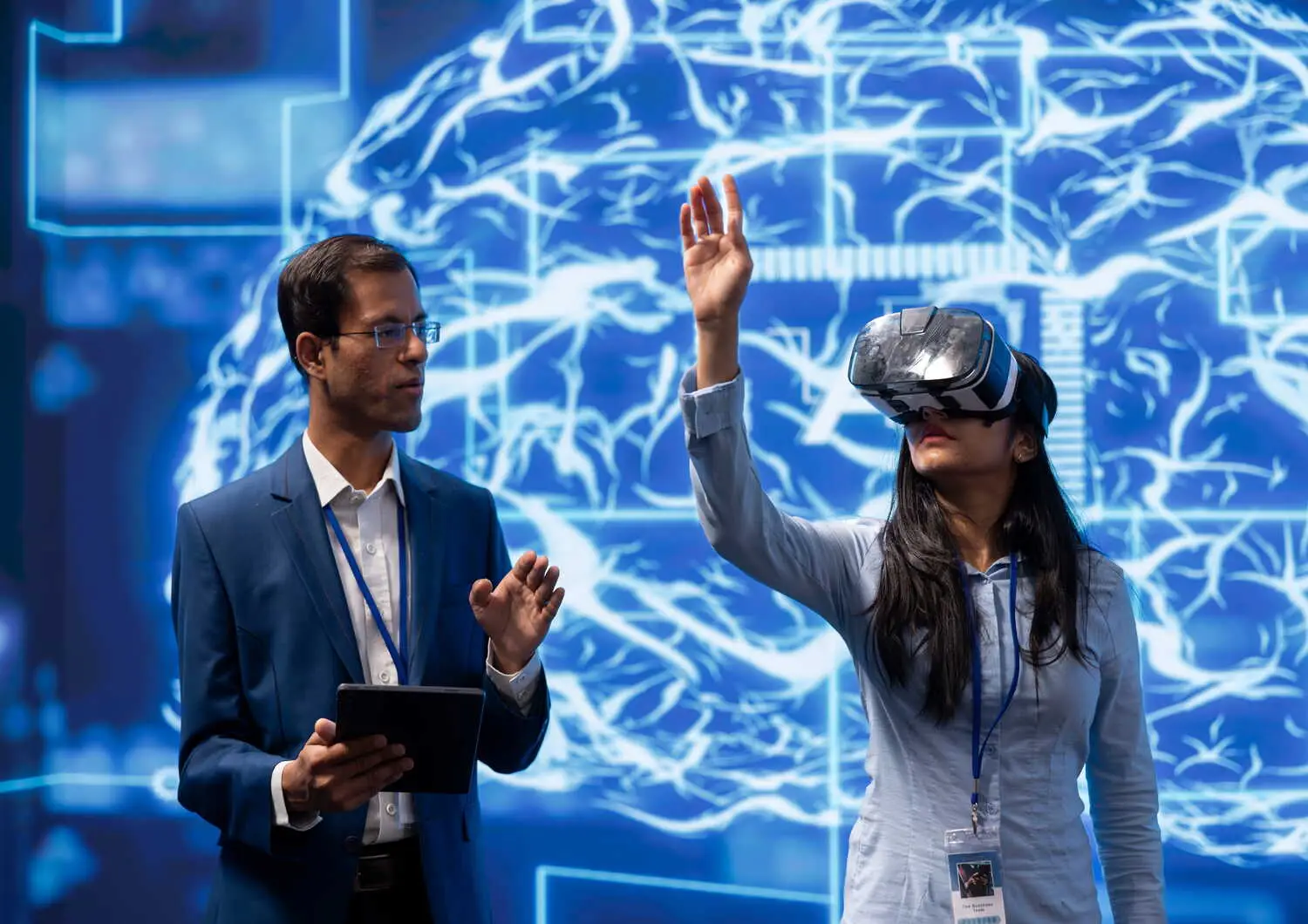
Event technology is actively redefining how conferences are designed, delivered, and measured. If you’re planning scientific or medical conferences, you’re probably already feeling it.
Programs are becoming more complex. Hybrid formats are now standard. Reporting requirements continue to grow. And at the same time, attendees expect everything to just…work. Smoothly, intuitively, and without friction.
So where does that leave event organizers?
The reality is, technology is no longer something that simply supports your event. It plays a central role in how your conference is planned, delivered, and experienced.
The good news? You don’t need to adopt everything at once.
The real opportunity lies in understanding which event technology trends will make the biggest difference for your team and your attendees. In this guide, we break down the most important event technology trends and show how they translate into practical improvements for conference organizers.
Why Event Technology Is Evolving Faster Than Ever
There’s no single reason behind this shift. Instead, it’s the combination of digital transformation, hybrid events, and growing expectations around efficiency and measurable results.
To put it simply, organizers are being asked to do more with less manual effort.
This means moving away from fragmented, manual workflows and towards more structured, technology-supported processes.
The Changing Expectations of Event Attendees
On top of that, attendees are no longer passive participants. They expect support in navigating content, finding relevant sessions, and connecting with peers.
For large scientific events, this creates a clear requirement: systems must guide attendees through the event. Static programs are difficult to navigate, especially when multiple tracks run in parallel. This is where event personalization technology becomes essential.
A well-designed platform should help attendees quickly answer key questions:
- What sessions are most relevant to me?
- What should I attend next?
- Who should I connect with?
Without this level of guidance, engagement drops even if your meeting content is high quality.
Why Organizers Are Investing More in Event Technology
At the same time, organizers are facing a different type of challenge: scalability.
Managing abstracts, scheduling sessions, coordinating speakers, tracking attendance—all of these processes become harder as events grow.
This is why many organizations are moving toward integrated platforms such as CTI Meeting Technology. Instead of managing multiple disconnected tools and partners, teams can centralize workflows, reduce duplication, and gain visibility across the entire event lifecycle.
How Artificial Intelligence Is Transforming Event Management
Artificial intelligence is not only a buzzword in conference technology trends today. Its real value lies in supporting decision-making and reducing manual workload, particularly in data-heavy areas.
At CTI, this approach is reflected in cOASIS: Intelligence, an AI-powered module designed to help organizers work more efficiently while improving outcomes.
It’s also worth noting that both CTI and cOASIS: Intelligence were recently shortlisted at the Event Technology Awards – AI Edition in the category “Best Use of AI at a Conference”. A strong signal that AI is moving from theory into real-world application.
AI-Powered Event Planning and Scheduling
Planning a large, multi-track conference can feel like solving a puzzle with hundreds of moving pieces.
AI helps by bringing structure to that process.
By analyzing historical data and constraints, it can support decisions around scheduling, track organization, and speaker allocation. The result is a more balanced program with fewer conflicts.
For organizers, this means spending less time manually adjusting schedules and more time focusing on overall event quality.
If you’re curious about how this looks in practice, this article on AI-assisted peer review for conferences is a good place to start.
Personalized Attendee Experiences at Scale
Personalization is one of the clearest applications of AI in event management. Instead of presenting every attendee with the same structure, systems can adapt content based on interests and behavior.
This includes session recommendations, relevant networking suggestions, and guided event journeys. These features are particularly valuable at large events with multiple overlapping sessions, where it is easy for attendees to feel overwhelmed.
AI Chatbots and Virtual Event Assistants
Another area where AI is already making an impact is attendee support.
AI-powered assistants can answer questions, provide updates, and guide attendees through the platform in real time. This is especially useful for hybrid and international events, where providing consistent support across time zones can be challenging.
It’s a simple addition, but one that makes a noticeable difference to the overall participant experience.
Automation Is Becoming Essential for Modern Conferences
If AI helps with decision-making, automation focuses on execution.
As events grow, event automation software becomes essential for handling repetitive tasks and keeping operations running smoothly.
Automated Registration and Check-In
Registration is often the first touchpoint attendees have with your event, and it sets the tone for the rest of the experience.
A smooth, automated process makes a big difference. It reduces friction, speeds up check-in, and ensures that attendee data is captured accurately from the start.
For large conferences, a smooth registration experience is a requirement.
Streamlining Speaker and Abstract Management
Abstract handling remains one of the most complex areas in scientific events. Without a structured system, it can quickly become unmanageable.
Automation helps standardize submissions, organize peer review, and centralize communication. It ensures that nothing is missed and reduces the risk of delays.
If you are reviewing your current setup, this abstract submission portal checklist highlights key requirements that are often overlooked.
With cOASIS: Intelligence, these workflows can go even further through features like Abstract Integrity Check (Flash) that help improve submission quality right from the start.
Attendance Tracking and Real-Time Reporting
For many medical and accredited events, attendance tracking is a must.
Automated systems capture participation data in real time, making it easier to monitor engagement and generate reports. This improves compliance while also providing valuable insights for future events.
The Rise of Virtual Reality and Immersive Event Experiences
Virtual reality is often seen as the “next big thing” in event technology.
While it’s still evolving, it’s already opening up new ways to think about engagement, which this article from cVent explores.
Virtual Conference Environments
Virtual reality creates immersive digital environments where attendees can explore venues, attend sessions, and interact with content in more engaging ways than traditional platforms allow.
Although adoption is still limited, these environments demonstrate what future event experiences could look like as technology becomes more accessible.
VR-Powered Networking and Exhibitions
One of the most promising areas for VR is exhibitions and networking. Interactive booths and immersive product demonstrations offer more engaging sponsor opportunities.
For global audiences, avatar-based networking can also provide a more interactive alternative to traditional virtual platforms.
What’s Holding VR Back?
Despite its potential, VR isn’t widely used yet. Hardware requirements, cost, and user familiarity are still barriers.
For now, it works best as an enhancement within broader hybrid event technology, rather than a core solution.
Data-Driven Events and Predictive Analytics
If there’s one area that’s becoming central to event strategy, it’s data. Organizers are increasingly expected to measure success and use those insights to improve future events.
Understanding Attendee Behavior Through Data
Event platforms generate detailed insights into how attendees interact with content. This includes session attendance, engagement levels, and navigation patterns. By analyzing this data, organizers can better understand what resonates with their audience and adjust future programming accordingly.
Predicting Event Success with Analytics
Predictive analytics takes this a step further by helping organizations anticipate outcomes. From forecasting attendance to identifying high-demand sessions, these insights enable more proactive planning.
The Future of Hybrid Events
Hybrid events are no longer seen as a temporary solution after the global pandemic, they are a permanent and evolving format. The challenge now is not whether to host hybrid events, but how to optimize them.
Creating Consistent Experiences for In-Person and Virtual Attendees
Ensuring consistency across audiences is one of the biggest challenges. Organizers must design experiences that provide equal value, regardless of how attendees participate. This requires careful integration of platforms, engagement tools, and content delivery methods.
Technologies Powering Next-Generation Hybrid Conferences
A successful hybrid setup depends on multiple components working together, including event platforms, mobile apps, streaming tools, and analytics systems.
An integrated approach reduces complexity and ensures a smoother experience for both organizers and attendees.

What Event Organizers Should Do Today to Prepare for Tomorrow
With so many changes happening, it’s easy to feel overwhelmed.
The good news is, you don’t need to transform everything at once!
Start small. Look at where your current processes create friction—registration, abstract handling, reporting are often good starting points.
Then consider where AI and automation could save time or improve decision-making.
And finally, take a step back and look at your overall setup. Are your systems connected? Or are you switching between tools?
Simplifying your technology stack often brings the biggest improvements.
Discover Event Technology Built for the Future
The future of events isn’t about using more technology. It’s about using the right technology in the right way.
By combining AI, automation, and data, organizers can create events that are easier to manage and more engaging to attend.
With CTI Meeting Technology, organizers can manage the entire event lifecycle in one place—from abstracts to analytics. Together with cOASIS: Intelligence, AI becomes a practical tool that supports your team rather than adding complexity.
If you’re looking to modernize your event operations, this is a good place to start.